
Clinical Pathways, Powered by Always-On Patient Intelligence
Cemplicity turns patient, clinical, and operational data into real-time pathway intelligence, enabling healthcare organisations to identify variation, act earlier, and improve performance across the care journey. Move beyond static pathway design. Understand how care is actually delivered and improve it in real time.
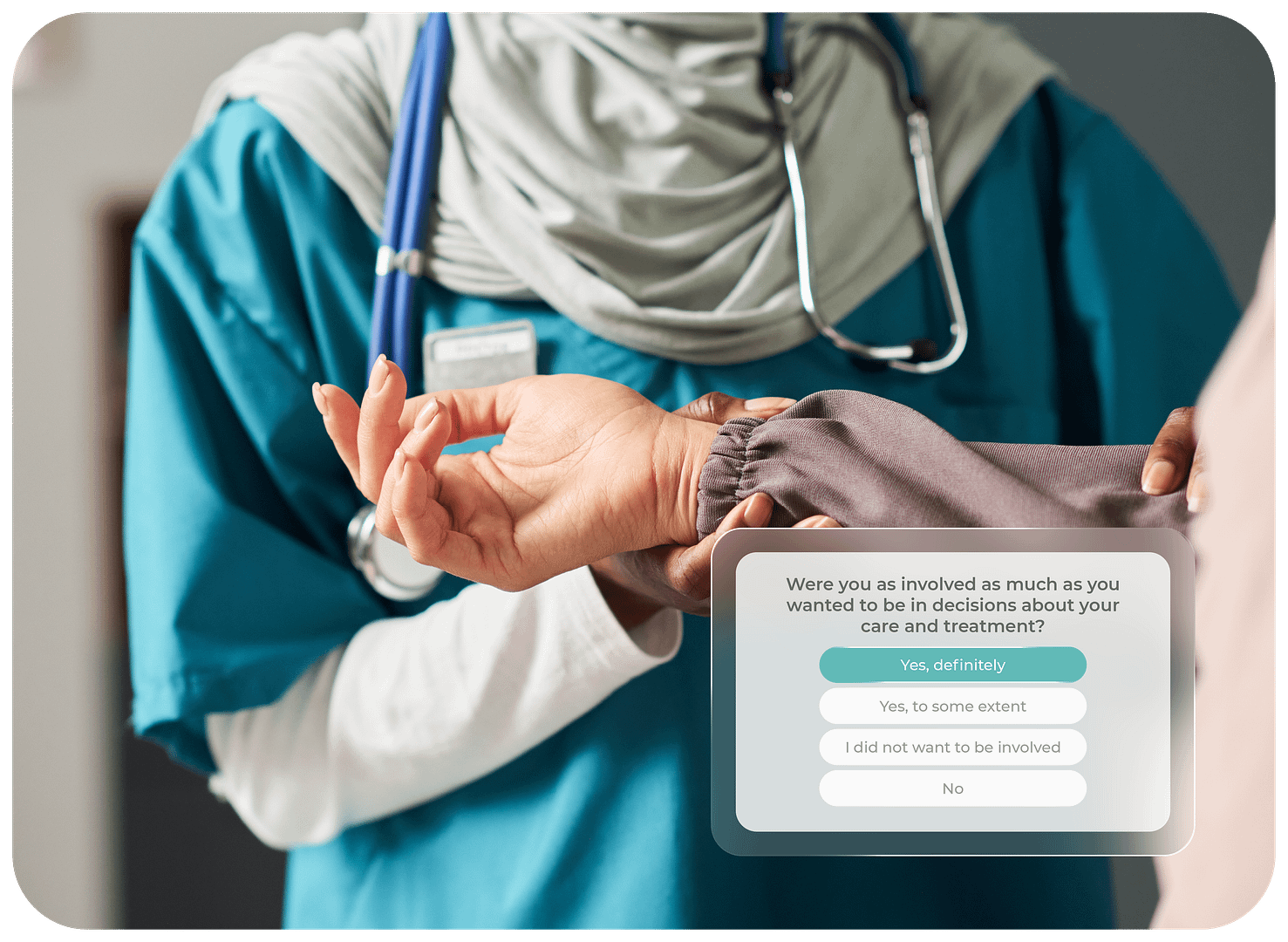
Trusted by private hospitals worldwide













Pathways Are Defined, But Not Seen
Clinical pathways define how care should be delivered, from referral through treatment and recovery.
But they do not show whether patients are recovering as expected, how care is experienced, or where risk is emerging.
Without real-time visibility, organisations rely on retrospective data to understand performance, often identifying variation and issues too late to intervene.
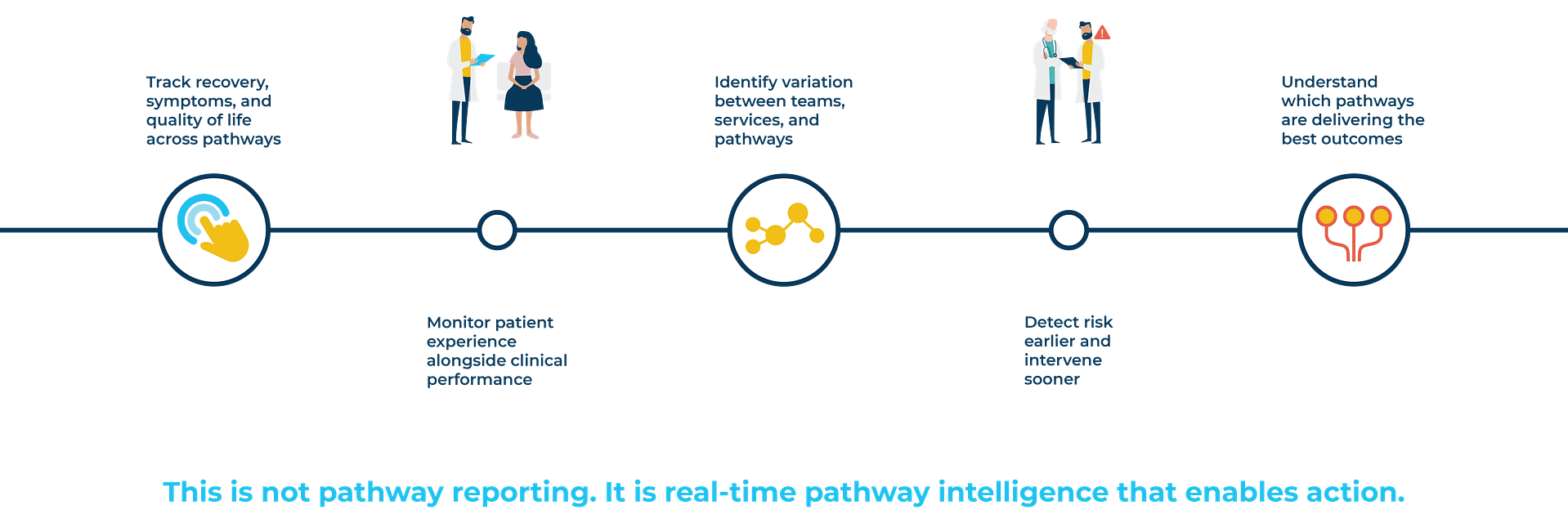
Across Key Clinical Pathways
Always-on patient intelligence provides continuous visibility into recovery, experience, and performance across the care journey, enabling earlier intervention and continuous improvement.

Cosmetic Pathways
Understand patient satisfaction, recovery, and perceived outcomes following procedures to identify dissatisfaction early, manage expectations, and protect reputation.Cosmetic Pathways
Common measures:
- FACE-Q
- BREAST-Q
- BODY-Q

Orthopaedic Pathways
Track pain, mobility, and functional recovery following surgery to identify patients falling behind expected outcomes and intervene earlier.Orthopaedic Pathways
Common measures:
- Oxford Hip Score (OHS)
- Oxford Knee Score (OKS)
- EQ-5D
- HOOS/KOOS

Ophthalmology Pathways
Measure visual outcomes and recovery following procedures to evaluate effectiveness and optimise care delivery.Ophthalmology Pathways
Common measures:
- Catquest-9SF
- Cat-PROM5
- VFQ-25

Cardiovascular Pathways
Monitor recovery, symptoms, and ongoing health following interventions to support early detection of complications and improve long-term outcomes.Cardiovascular Pathways
Common measures:
- Seattle Angina Questionnaire (SAQ)
- Kansas City Cardiomyopathy Questionnaire (KCCQ)
- EQ-5D

Chronic Care Pathways
Track patient-reported outcomes and experience over time to identify deterioration earlier and support proactive, continuous care.Chronic Care Pathways
Common measures:
- PROMIS
- Disease-Specific Measures
- EQ-5D

Maternity Pathways
Capture feedback and recovery insights across pregnancy and postnatal care to improve safety, consistency, and patient experience.Maternity Pathways
Common measures:
- ICHOM Pregnancy & Childbirth Set
- EPDS

Oncology Pathways
Monitor symptoms, side effects, and quality of life throughout treatment to support proactive care and improve patient experience.Oncology Pathways
Common measures:
- EORTC QLQ-C30
- PRO_CTCAE
- FACT-G
- BREAST-Q

IVF and Fertility Pathways
Understand patient experience and emotional impact alongside clinical outcomes.IVF and Fertility Pathways
Common measures:
- FertiQoL

Spinal Pathways
Track pain, disability, and recovery outcomes using validated tools.Spinal Pathways
Common measures:
- Oswestry Disability Index (ODI)
- Visual Analogue Scale (VAS)